How to Spot Moisture Damage in Your Estero, FL Home Before It Gets Worse

Living in Estero means getting used to heat, humidity, and plenty of rain. Most homeowners expect those conditions to affect the outside of their property, but moisture can also create problems inside the house.
For homeowners who don’t have the time or experience to handle repairs themselves, professional property maintenance services can help identify and address problems before they become more expensive.
Sometimes the first sign is obvious. You might notice a brown mark spreading across the ceiling after a storm. Other times, the warning is much smaller. Paint may begin to bubble near a window, a wall may feel unusually soft, or a room may develop a musty smell that wasn’t there before.
These signs are easy to dismiss, especially when everything else in the house looks fine. Unfortunately, moisture problems rarely fix themselves.
The longer water remains trapped behind drywall, trim, cabinets, or other materials, the greater the chance of more extensive damage. The U.S. Environmental Protection Agency explains that controlling moisture is one of the most important steps homeowners can take to prevent indoor mold growth. It also recommends fixing water problems promptly and drying wet materials as quickly as possible.
For Estero homeowners, knowing what to look for can make a big difference.
Why Moisture Can Be a Problem in Estero Homes
Southwest Florida has a climate that naturally puts homes around a lot of moisture. Rain can be heavy, humidity can remain high, and air conditioning systems work hard to keep indoor spaces comfortable.
That doesn’t mean every Estero home will develop moisture damage. It does mean that small leaks and ventilation problems deserve attention.
Water can enter a home in many ways. A roof leak may allow rainwater into the attic or ceiling. Damaged caulking around a window can allow water to reach the wall. A slow plumbing leak under a sink can damage cabinets and drywall without producing enough water to create an obvious puddle.
There can also be moisture problems that are harder to see.
The EPA notes that mold can grow in hidden areas such as the back of drywall, inside walls around leaking or condensing pipes, and in roof materials affected by leaks.
That is why a small stain or unusual smell shouldn’t automatically be treated as a cosmetic problem.
Watch for Changes in Your Walls and Ceilings
One of the easiest ways to spot a moisture problem is to pay attention to changes in the surfaces around your home.
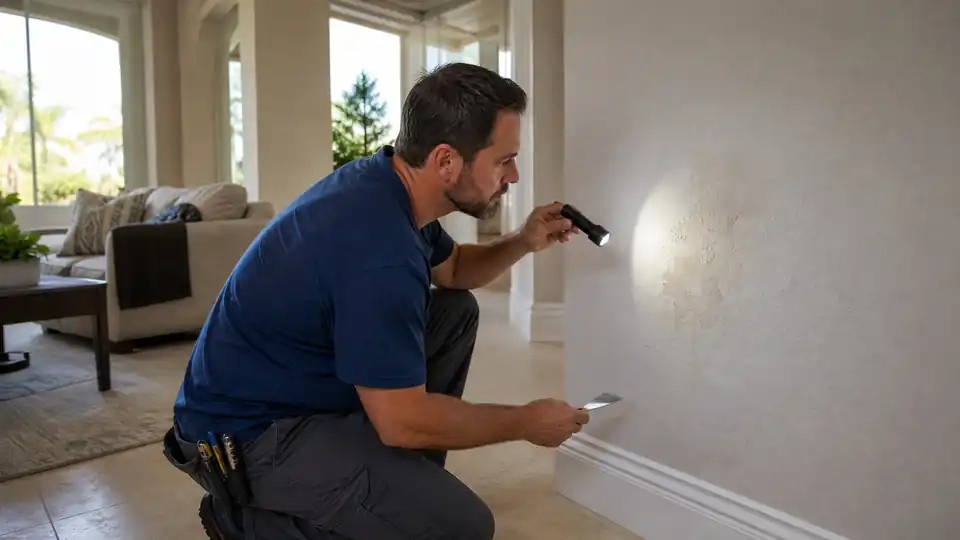
A ceiling stain is an obvious example. You may see a yellow, brown, or darker area that wasn’t there before. It may appear after heavy rain and then become more noticeable over time.
Walls can show similar signs. Paint may bubble, peel, crack, or develop discoloration. In some cases, wallpaper may loosen from the wall.
Drywall can also change texture when it absorbs moisture. A damaged section may feel softer than the surrounding wall, although homeowners should avoid pressing heavily on areas that appear badly damaged.
These signs don’t necessarily tell you exactly where the water is coming from. The visible damage may be some distance from the actual source.
For example, water entering near a roof penetration can travel along framing before eventually appearing as a stain on a ceiling. Likewise, a plumbing leak inside a wall may not become visible until water has already affected the surrounding drywall.
That is why repairing the visible spot without addressing the source can lead to the same problem returning.
A Musty Smell Can Be an Early Warning
Not every moisture problem leaves a visible stain.
Sometimes your nose notices the problem first.
A room that suddenly smells damp or musty may have an underlying moisture issue. This can be especially important in areas that don’t get much airflow, such as closets, cabinets, bathrooms, or spaces behind large pieces of furniture.
The CDC notes that mold can grow where moisture is present, including around leaks in roofs, windows, and pipes, as well as in materials such as drywall, wood, carpet, and insulation.
That doesn’t mean every musty smell automatically means there is a serious mold problem. It does mean that an unexplained change in smell is worth investigating rather than simply covering it with an air freshener.
Don't Ignore Cracked or Failing Caulk
Caulking is one of those small details that homeowners tend to notice only after it fails.
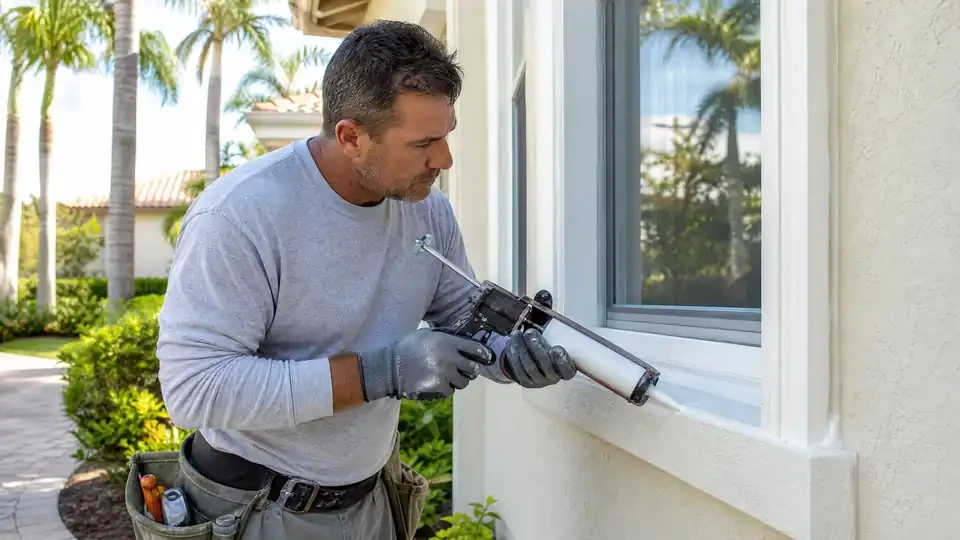
Around windows, doors, tubs, showers, sinks, and other areas exposed to water, caulk creates a seal between different surfaces. Over time, it can crack, shrink, separate, or become brittle.
Once that seal is compromised, water has an easier path into places where it doesn’t belong.
This is particularly important around windows and exterior doors in a rainy climate like Estero. A small gap may not cause an immediate problem, but repeated exposure to rain can eventually affect the surrounding trim, drywall, insulation, or framing.
Replacing worn caulk is relatively simple compared with repairing the damage that can develop behind it.
Look Under Sinks and Around Plumbing Fixtures
You don’t need specialized equipment to perform some useful moisture checks around your home.
Open the cabinets beneath your kitchen and bathroom sinks from time to time. Look for water marks, swollen cabinet panels, discoloration, corrosion, or dampness around supply lines and drain connections.
Bathrooms deserve extra attention because showers and tubs create a constant source of moisture.
Check the areas around the tub, shower, toilet, and vanity. If flooring feels soft, trim is beginning to swell, or caulk is pulling away from the surface, don’t simply repaint or reseal the area without considering what caused the damage.
A new coat of paint can make a room look better temporarily, but it won’t solve an active water problem.
Your AC System Can Also Affect Indoor Moisture
Air conditioning plays an important role in keeping Florida homes comfortable, but the system also helps manage indoor humidity.
The EPA recommends keeping indoor relative humidity below 60%, with 30% to 50% being the ideal range when possible. It also recommends keeping air-conditioning drip pans clean and drain lines unobstructed.
If you notice excessive condensation, damp areas, or persistent humidity indoors, it may be worth having the HVAC system checked.
Homeowners should also pay attention to areas around AC equipment. A clogged condensate drain or overflowing drain pan can release water into areas that were never designed to handle it.
The sooner a moisture source is identified, the easier it generally is to deal with the resulting repair.
Pay Attention to Ceiling Stains After Heavy Rain
In Estero, a heavy afternoon thunderstorm can reveal problems that remain hidden during dry weather. If you notice a new stain on the ceiling after several days of rain, it’s important not to assume the problem will disappear once the weather improves.
A ceiling stain may indicate that water has entered through damaged roofing materials, flashing, vents, or another opening near the roof. However, the source is not always directly above the stain. Water can travel along roof decking, framing, or other surfaces before eventually reaching the ceiling below.
Even if the stain dries and stops growing, the original source of moisture may still be present.
It’s always better to identify the cause before repairing the ceiling. Painting over a water stain without fixing the leak often leads to the same problem returning later, sometimes with more extensive drywall damage.
After major storms, take a few minutes to walk through your home and look at ceilings, walls, windows, and exterior doors. A quick inspection can help you catch small problems before they become expensive repairs.
When Drywall Starts Showing Signs of Damage
Drywall is common in modern homes because it provides a smooth, durable wall surface. Unfortunately, it does not respond well to prolonged moisture.
When drywall absorbs water, it can begin to soften, swell, crack, or crumble. Paint may bubble or peel, and the wall may no longer feel as solid as it once did.
The amount of damage depends largely on how long the material was exposed to moisture and whether the source has been stopped.
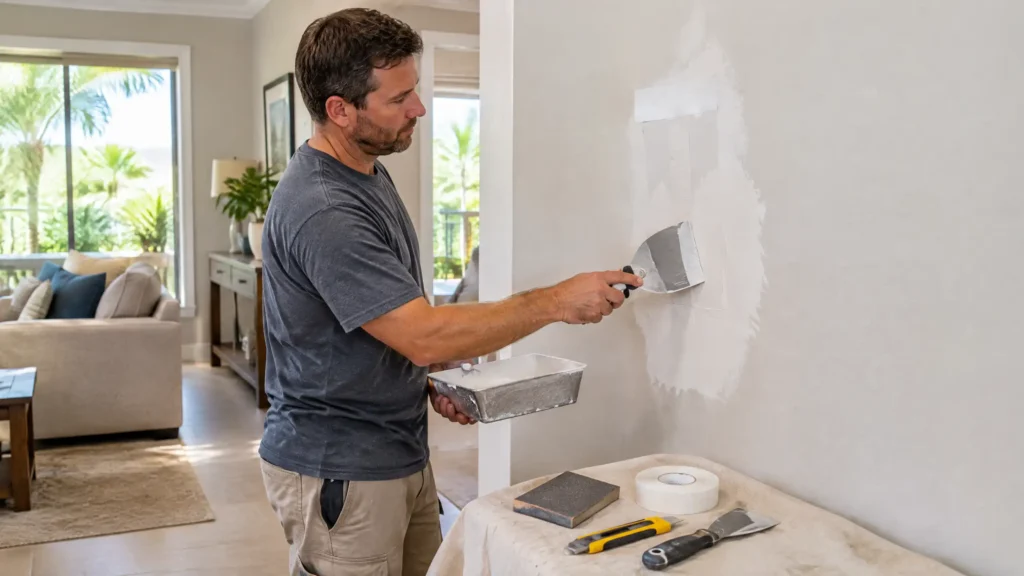
In some cases, a small area can be repaired once everything is completely dry and the cause of the water problem has been addressed. More significant damage may require removing and replacing affected materials.
The most important step is avoiding the temptation to simply cover the problem.
A fresh layer of joint compound or paint may temporarily hide discoloration, but damaged drywall behind the surface can continue to deteriorate if moisture remains trapped inside.
Once the source of moisture has been repaired, damaged drywall and trim may require professional attention to restore the area properly.
Windows and Doors Can Allow Water Inside
Windows and exterior doors are designed to protect your home from the elements, but seals and surrounding materials naturally wear over time.
Florida’s strong sunlight can dry and crack exterior caulk, while repeated storms place additional stress on seals and weatherstripping. Eventually, small gaps can develop.
Water entering around a window may cause peeling paint, stained drywall, swollen trim, or soft wood around the frame. Sometimes homeowners first notice the problem when a wall begins showing signs of damage beneath a window.
Doors can develop similar issues, particularly around thresholds and exterior trim.
Regularly checking these areas gives homeowners an opportunity to replace failing caulk or weatherstripping before water reaches the interior structure of the home.
Small maintenance tasks can often prevent much larger repair projects.
Bathrooms Need Extra Attention
Bathrooms naturally deal with more moisture than almost any other room in the house.
Showers, tubs, sinks, and toilets all create opportunities for water to reach areas where it shouldn’t be. Over time, cracked grout, failing caulk, leaking plumbing connections, or poor ventilation can create hidden problems.
Look around the base of the toilet and vanity for signs of water damage. Check the edges of tubs and showers where caulk meets tile or another finished surface.
If caulk is separating, cracking, or missing in places, it should be addressed before repeated exposure to water reaches the wall behind it.
Ventilation is equally important. Running an exhaust fan during and after a shower helps remove excess moisture from the room. Opening a window may also improve airflow when weather conditions allow.
The goal is simple: don’t give moisture more time than necessary to settle into walls, ceilings, or other building materials.
When Is a Small Repair No Longer a Small Repair?
This can be one of the hardest decisions for homeowners.
A tiny water stain or damaged section of drywall may look like a simple handyman repair. Often, it is. However, the size of the visible damage doesn’t always reflect what is happening behind the wall.
A small problem may require more investigation if the damage keeps returning, spreads quickly, produces a strong musty odor, or appears after every period of heavy rain.
Likewise, water damage near electrical outlets, major structural components, or large areas of the home may require a specialist rather than a standard repair.
The key is knowing when to stop treating the issue as cosmetic.
A professional inspection can help determine whether the damaged material simply needs repair or whether there is an active leak or larger moisture problem that needs to be addressed first.
What Homeowners Can Do to Prevent Moisture Problems
Preventing moisture damage doesn’t always require major renovations.
Regular home maintenance is often the best first line of defense. Keeping gutters clear allows rainwater to move away from the house. Checking roof areas after storms can reveal visible damage before the next rainfall. Maintaining exterior caulk around windows and doors helps keep water outside.
Inside the home, occasional inspections beneath sinks and around plumbing fixtures can identify slow leaks early.
Homeowners should also pay attention to indoor humidity. Air conditioning, ventilation, and properly functioning exhaust fans all play a role in managing moisture inside a Florida home.
The EPA recommends fixing leaks and other water problems as soon as possible and drying wet areas promptly to reduce the opportunity for mold growth. (epa.gov)
Consistency matters more than doing everything at once.
A few minutes spent inspecting your home every month can help prevent the kind of hidden damage that becomes expensive when left undiscovered for months.
Why Acting Early Can Save You Money
One of the biggest advantages of preventative maintenance is that small repairs are usually easier to manage.
Replacing damaged caulk is simpler than replacing water-damaged trim. Repairing a small plumbing leak is generally less disruptive than repairing cabinets, drywall, and flooring after months of water exposure.
The same principle applies throughout the home.
Addressing a loose roof component before a major storm can help prevent water intrusion. Repairing damaged weatherstripping can help protect walls around doors and windows. Clearing a blocked condensate drain may prevent water from overflowing into areas where it can damage drywall or flooring.
No homeowner can prevent every problem, especially during severe Florida weather. However, staying alert and responding quickly gives you a much better chance of keeping minor issues under control.
Protecting Your Estero Home Starts With Paying Attention
Moisture damage often starts quietly.
A small stain. A little peeling paint. A musty smell in a closet. A section of caulk that has started to crack.
These details may not seem urgent, but they are often your home’s way of telling you that something needs attention.
For homeowners in Estero, regular maintenance is especially important because heat, humidity, and heavy rainfall place constant pressure on building materials.
The good news is that you don’t need to inspect every corner of your home every day. A regular walk-through, especially after heavy storms or during seasonal maintenance, can help you identify changes before they become major repairs.
If you discover damaged drywall, loose trim, failing caulk, minor water damage, or other maintenance concerns, dealing with the problem early can help protect both your home and your budget.
A well-maintained home is not one that never needs repairs. It’s a home where small problems are noticed and addressed before they have the opportunity to become much larger ones.
Frequently Asked Questions About Moisture Damage in Estero Homes
What are the first signs of moisture damage in a house?
Common early signs include water stains, bubbling paint, peeling paint, soft drywall, swollen trim, musty odors, and visible mold or mildew. You may also notice discoloration around windows, ceilings, plumbing fixtures, or exterior doors.
Can Florida humidity cause damage to drywall?
High humidity alone does not usually cause immediate drywall damage, but prolonged moisture combined with poor ventilation, leaks, or condensation can contribute to deterioration and create conditions that support mold growth.
Should I repair water-damaged drywall myself?
Minor cosmetic damage may sometimes be repaired after the source of moisture has been completely eliminated. However, recurring water damage, extensive wet drywall, suspected mold, or damage near electrical systems should be evaluated carefully before repairs begin.
How can I prevent moisture problems in my Estero home?
Regular maintenance is the best approach. Check roofs and gutters, maintain caulk around windows and doors, inspect plumbing for leaks, use bathroom exhaust fans, and address water intrusion as quickly as possible.
How quickly should a water leak be repaired?
As soon as possible. The longer water remains in contact with drywall, wood, insulation, flooring, or other materials, the greater the risk of additional damage.
Conclusion: Small Signs Should Never Be Ignored
Moisture problems can happen in any home, but Estero’s humid climate and frequent storms make regular inspections especially important.
You don’t have to become a home repair expert to protect your property. Simply paying attention to changes around your home can make a significant difference.
Check for new stains after storms. Look beneath sinks occasionally. Inspect caulking around windows, doors, tubs, and showers. Pay attention when a room develops an unusual smell.
These small habits can help you find problems early.
When repairs are needed, taking care of them before the damage spreads can save time, money, and unnecessary stress. From drywall repairs and trim replacement to caulking and general home maintenance, staying proactive is one of the best ways to protect your Estero, FL home throughout the year.
If you’ve noticed signs of water damage, deteriorating drywall, or other maintenance concerns, addressing the problem early can help protect your home and your budget.
Resources:
- U.S. Environmental Protection Agency (EPA) – A Brief Guide to Mold, Moisture and Your Home
- Centers for Disease Control and Prevention (CDC) – Mold
- Federal Emergency Management Agency (FEMA) – Flood and Home Preparedness Resources
- National Oceanic and Atmospheric Administration (NOAA) – Hurricane Preparedness and Weather Information
- Florida Division of Emergency Management